
A beautiful room should feel good long after the furniture arrives. Sustainable furniture materials give homeowners a practical way to consider where a piece came from, how it was made, how long it may last, and what happens when its useful life is over. The goal is not to make every purchase perfect. It is to choose well-made furniture that suits your home, your lifestyle, and your standards for quality.
For many Orange County households, that begins with a simple shift in perspective: buying less disposable furniture and selecting pieces worth keeping. A tailored sofa, a solid dining table, or a thoughtfully constructed bedroom set can bring daily comfort while reducing the cycle of frequent replacement.
What Makes a Furniture Material Sustainable?
Sustainability is more than a label on a product tag. A material can be renewable but poorly finished, recycled but difficult to repair, or natural yet shipped through a complicated supply chain. The strongest choices balance responsible sourcing, durability, low-impact manufacturing, and the ability to maintain or reuse the piece over time.
Furniture construction matters just as much as the surface material. A solid wood dresser with sturdy joinery and replaceable hardware may offer more long-term value than a lower-quality piece made from a technically sustainable material. Likewise, an upholstered chair with a durable frame and removable cushions can be a thoughtful investment if it is likely to stay in your home for years.
It also depends on the room. A formal dining table may be an excellent candidate for solid wood, while a family room sectional needs upholstery that can handle everyday use. Sustainable choices work best when they are realistic choices.
Sustainable Furniture Materials Worth Considering
Responsibly Sourced Solid Wood
Wood remains one of the most enduring furniture materials because it is warm, versatile, repairable, and naturally suited to both traditional and modern interiors. Oak, walnut, maple, acacia, mango wood, and teak each have a distinct grain and color, allowing a dining room, bedroom, or living room to feel personal rather than mass-produced.
When shopping for wood furniture, ask whether the wood is responsibly sourced or certified by a recognized forestry program, such as FSC certification. Certification can indicate that forests are managed with environmental and social standards in mind. It is not the only measure of a responsible product, but it is a useful detail to look for.
Solid wood generally offers an advantage in longevity. It can often be refinished, repaired, or passed along when a household changes. That said, “solid wood” alone does not guarantee better sustainability. The species, sourcing, finish, construction, and expected lifespan all deserve consideration.
Reclaimed and Recycled Wood
Reclaimed wood gives existing material a second life. It may come from old buildings, industrial structures, fencing, or previously used timber, and its knots, markings, and color variation create character that cannot be copied exactly. Reclaimed wood dining tables, console tables, and accent cabinets can bring texture and history to a clean-lined room.
The trade-off is consistency. Reclaimed wood can vary from piece to piece, which is part of its appeal but may not suit a highly uniform design plan. It can also require careful finishing and construction to ensure the final piece is stable and suitable for daily use.
Recycled wood products can be another option, particularly when they use recovered wood fibers or offcuts that might otherwise go to waste. Ask about the binding materials and finishes used, especially for furniture intended for bedrooms, nurseries, or compact spaces with less airflow.
Bamboo and Other Rapidly Renewable Materials
Bamboo is often recognized for its rapid growth cycle. When properly processed, it can be used for shelving, seating, beds, and decorative furniture with a light, contemporary appearance. It can be especially appealing in coastal, casual, or modern spaces where a lighter visual weight is welcome.
Like many engineered materials, bamboo products vary in quality. The adhesives, finishes, and manufacturing methods used to turn bamboo into panels or furniture are important. A well-made bamboo piece may be a smart choice, while a lightly built version may not offer the longevity that makes sustainability meaningful.
Rattan, cane, and wicker are also renewable materials commonly used in accent chairs, headboards, bar stools, and occasional tables. Their open weave adds an airy look, though they are usually better suited to lighter-duty use or covered outdoor areas than to high-impact family seating.
Recycled Metal
Metal furniture can have an exceptionally long service life. Steel, aluminum, iron, and brass appear in dining bases, bed frames, shelving, bar stools, outdoor furniture, and lighting. Recycled metal content helps reduce demand for newly extracted raw material, while the finished piece can often be recycled again at the end of its life.
Metal is especially practical for homes that favor modern designs crafted for stylish living. A recycled-metal table base paired with a wood top, for example, can combine warmth with visual structure. Powder-coated finishes may offer durability, although any finish can eventually show wear in busy homes or coastal environments.
For outdoor furniture, aluminum is valued because it resists rust and is relatively easy to move. Heavier iron and steel can feel substantial and classic, but they need appropriate finishes and maintenance to withstand weather exposure.
Recycled and Performance Upholstery Fabrics
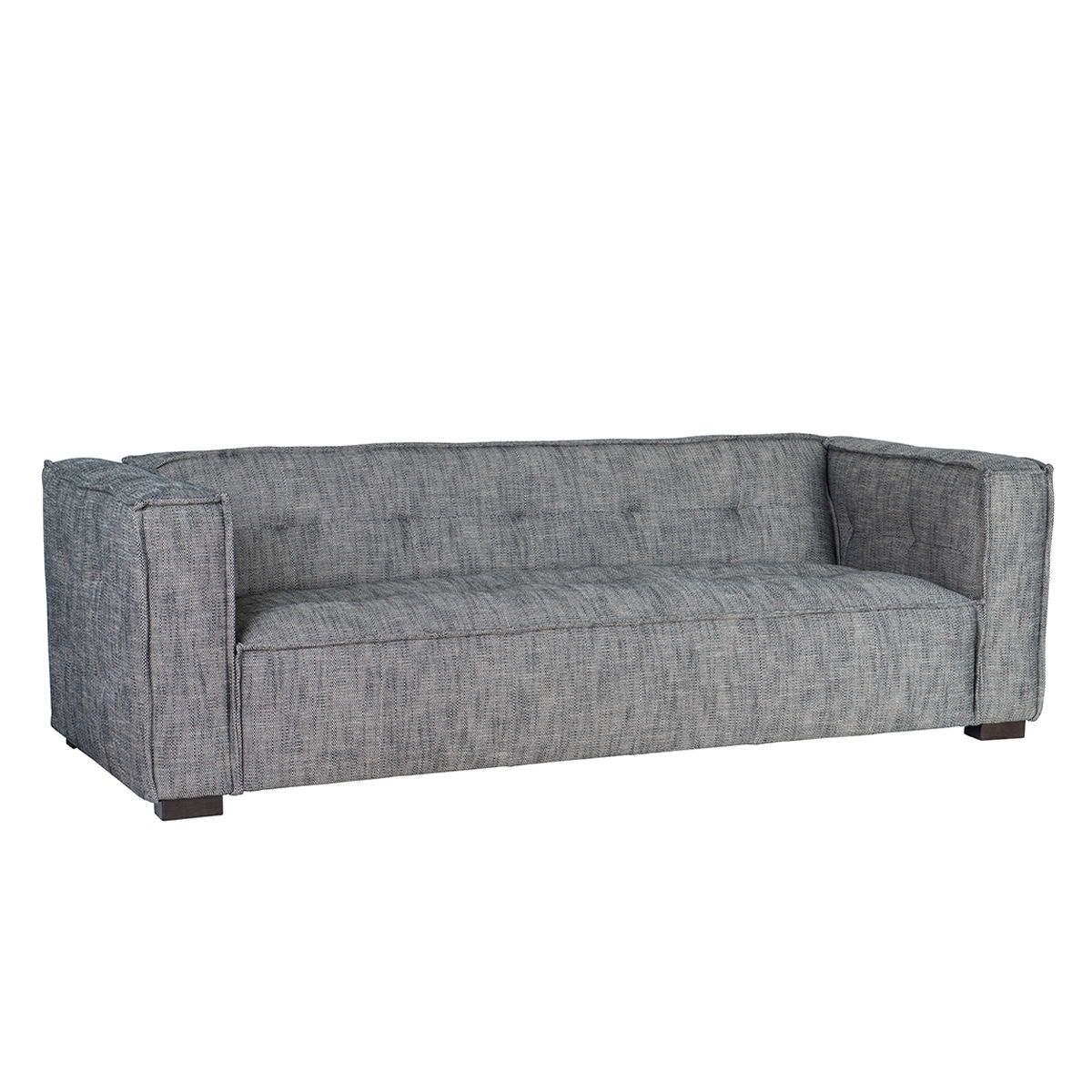
Upholstered furniture is more complex than a wood table because it combines a frame, cushions, fabric, foam, springs, and hardware. Still, recycled polyester fabrics and other recycled textile blends are increasingly available in sofas, accent chairs, and dining chairs. These fabrics may use fibers made from post-consumer plastic bottles or recovered textiles.
A recycled fabric is most useful when it also performs well in real life. Consider abrasion resistance, texture, color, cleanability, and whether the weave suits children, pets, or frequent entertaining. A delicate fabric that needs replacement quickly is rarely the most practical sustainable choice.
Natural fibers such as linen, cotton, wool, and leather can also be durable and beautiful, but their impact varies greatly by sourcing and processing. Rather than assuming one fabric is automatically better than another, focus on quality, care requirements, and how long you expect to enjoy the piece.
Look Beyond the Main Material
Finishes, adhesives, and cushion components deserve a closer look. Low-VOC finishes and water-based coatings can be worth considering, particularly for furniture in enclosed rooms. Formaldehyde-free or low-emission composite wood options may also be relevant when shopping for cabinetry, desks, bookcases, and storage furniture.
Composite wood is not automatically a poor choice. It can use wood fiber efficiently and help make larger furniture collections more attainable. The key is selecting pieces with dependable construction, stable finishes, and a purpose that fits their expected use. A media console that will support equipment for years is different from a lightweight storage unit intended for temporary use.
Packaging is another small but meaningful factor. Furniture requires protection during shipping and delivery, so some packaging is necessary. When possible, choose retailers and manufacturers that use recyclable materials thoughtfully and avoid excessive layers that do not add meaningful protection.
How to Shop for Furniture You Will Keep
The most sustainable purchase is often the one that remains useful and loved. Before choosing a material, consider the scale of the room, how the furniture will be used, and whether the style will still feel right after a few seasons of decorating changes.
For a sofa or sectional, sit in it if you can. Check the frame feel, cushion support, fabric texture, and how the seat depth works for your household. For dining furniture, look at the table construction, chair comfort, and whether the finish fits everyday meals as well as special gatherings. For a bedroom, prioritize storage needs, bed height, and pieces that coordinate without forcing every item to match exactly.
Ask practical questions about care, materials, warranties, and available replacement parts. Furniture that can be maintained - tightened, cleaned, repaired, or reupholstered - has a better chance of staying in service. Timeless proportions also help. A well-designed piece does not need to be plain, but it should have enough versatility to move with your home as rugs, lighting, and wall color evolve.
Seeing materials in person can make the decision easier. At R&R Furniture Gallery in Fountain Valley, shoppers can compare wood tones, upholstery textures, finishes, and construction details before selecting furniture for an Orange County home. That hands-on perspective is particularly valuable when investing in larger pieces meant to anchor a room.
A sustainable home is not built from guilt-driven choices or a single perfect material. It comes together gradually through furniture that is comfortable, well considered, and genuinely worth living with for a long time.
Shop Related Products at R&R Furniture Gallery
Compare the actual products below, review the selected size and finish, and contact us to confirm availability and lead times.

View Element - Sofa — options and current pricing →

View Donovan - Sofa — options and current pricing →
Visit Our Fountain Valley Showroom
Bring your measurements and room photos to 18218 Euclid Street, Suite 110 A, Fountain Valley, CA 92708, or call 714-653-1523. Plan your visit to R&R Furniture Gallery.
Delivery Options
Free local drop-off within 50 miles of our Fountain Valley showroom. Check our current offer and delivery terms for eligibility. Your full address determines eligibility; assembly and white-glove service require a separate quote. Showroom pickup has no minimum purchase.
Explore free nationwide shipping on selected items. That separate collection contains eligible products with its own delivery terms. Contact us about delivery for other catalog products.