
A home feels considered when its private and shared spaces speak the same design language. Choosing bedroom and dining room furniture together does not mean buying identical collections for every room. It means creating a natural connection through scale, materials, color, and the way your household actually lives.
For many Orange County homeowners and renters, these rooms are major purchases made months apart. That is normal. The goal is not a showroom-perfect match. It is a home where the bedroom feels restful, the dining room feels welcoming, and neither space appears disconnected from the other.
Start With the Way Each Room Will Be Used
The bedroom and dining room have very different jobs. A bedroom should support rest, storage, and a sense of retreat. A dining room needs to handle everyday meals, celebrations, homework, and occasional extra guests. Their furniture can coordinate beautifully while still responding to those separate needs.
Start by measuring more than the room itself. Note door swings, window placement, walkways, nearby cabinets, and where people naturally enter. A large upholstered bed can make a bedroom feel luxurious, but it needs clearance around the sides and foot. Likewise, a grand dining table may look impressive, yet it becomes frustrating if chairs cannot pull out comfortably.
Leave roughly 36 inches between a dining chair and a wall or other furniture where possible. In a bedroom, aim for clear paths around the bed, especially between the bed and a dresser. These guidelines are flexible in compact homes, but they help prevent a beautiful piece from making a room feel crowded.
Before settling on a style, answer a few practical questions. Do you need concealed bedroom storage? Does your dining table need to expand for holidays? Are young children, pets, or frequent guests part of the picture? The right finish, upholstery, and table shape often become clearer once daily use is honest rather than aspirational.
Bedroom and Dining Room Furniture: Find a Common Thread
Coordination works best when it is subtle. Select two or three visual elements that can repeat across both rooms, then let the furniture fulfill each room's individual purpose. A repeated warm walnut tone, antique brass detail, cream upholstery, or gently curved silhouette can create enough continuity.
Wood tone is often the easiest starting point. You do not need an exact match between a bed and dining table. In fact, matching every finish can make a home feel overly staged. Instead, look for compatible undertones. Warm oak, walnut, and medium brown finishes generally work well together. Cool gray wood, deep espresso, and bright white lacquer can also coexist when the surrounding palette connects them.
Metal finishes can offer another quiet link. A dining room chandelier with brushed gold details may relate well to brass bedroom lamps or drawer hardware. Black metal dining chair frames can echo a black-framed mirror above a bedroom dresser. Repetition gives the eye a reason to recognize the rooms as part of one home.
Color deserves a lighter touch. If your bedroom is designed around soft ivory, taupe, and charcoal, the dining room does not need the same palette from floor to ceiling. Bring in a related neutral through dining chair fabric, a rug, artwork, or window treatments. This approach feels collected over time and leaves room for personality.
Choose Bedroom Pieces for Comfort and Balance
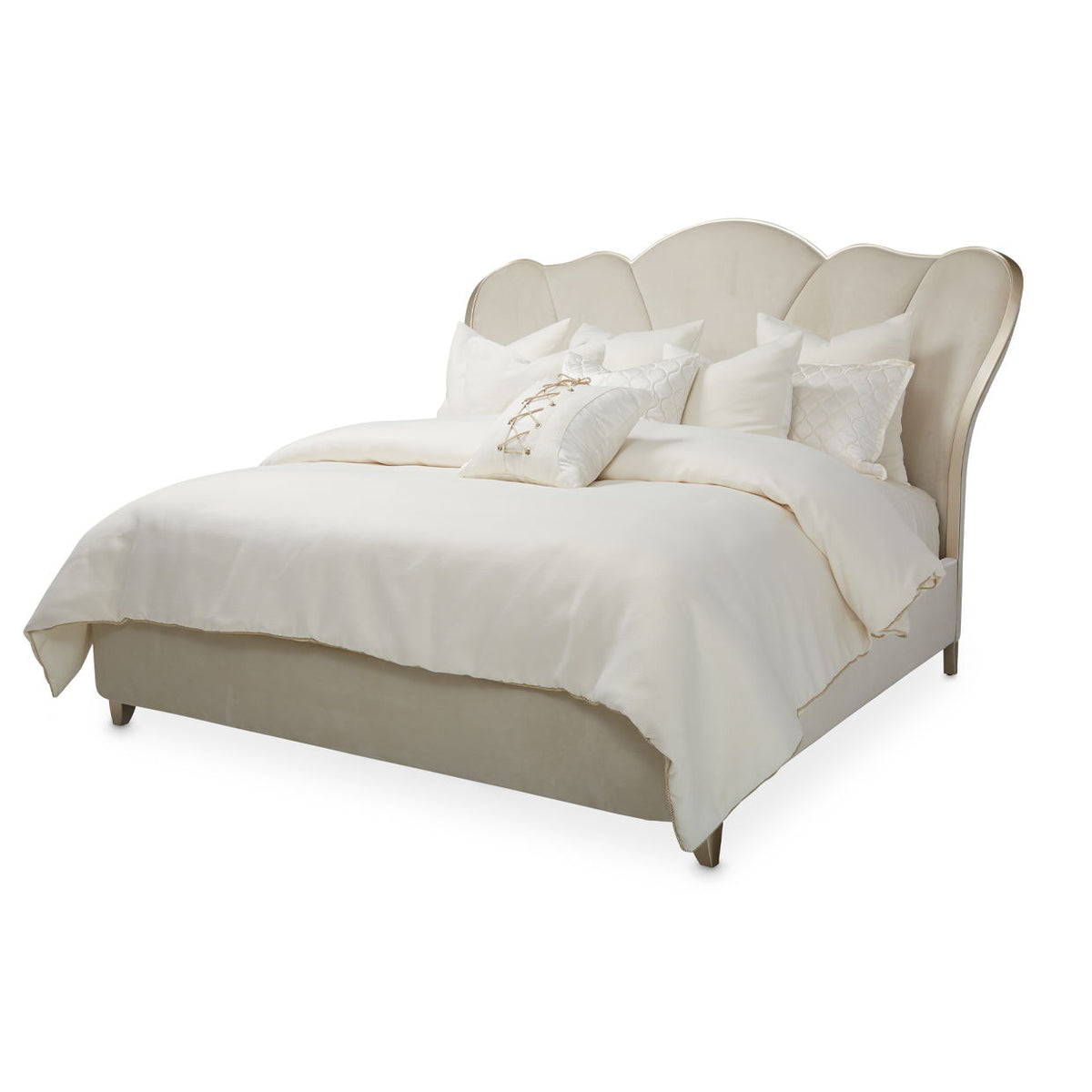
The bed is the visual anchor, so choose it before filling the rest of the room. An upholstered headboard can soften a contemporary room and bring texture to a home with clean-lined dining furniture. A wood panel bed offers more structure and pairs naturally with traditional, transitional, or modern dining settings depending on the finish.
Scale matters as much as style. High ceilings and spacious primary bedrooms can support a substantial bed with a tall headboard, wide nightstands, and a long dresser. In a smaller bedroom, a lower-profile frame and carefully sized nightstands can provide the same polished look without overwhelming the room.
Storage furniture should earn its footprint. A dresser is useful when closet space is limited, while a chest may be the better choice when floor space is narrow but vertical room is available. If you want a bench at the foot of the bed, make sure there is still an easy path around it. A bedroom should feel furnished, not obstructed.
Consider upholstery realistically. Light fabric beds are elegant and versatile, but they may require more attention in homes with pets or energetic children. Performance-oriented fabrics and textured woven materials can be practical choices, while wood or leather-look finishes may be easier to maintain. There is no universally best material - the right one depends on how the room is used.
Build a Dining Room Around Conversation
A dining table should fit both the room and the people around it. Round tables are often excellent for smaller spaces because they keep circulation open and encourage conversation. Rectangular tables suit longer rooms and larger gatherings. An extension table offers flexibility, though it is worth checking how easily the leaf stores and how the table looks when fully expanded.
Dining chairs deserve more attention than they usually get. Their seat height should work with the table, and their width should allow enough chairs without crowding. Upholstered chairs add comfort and softness, especially when your bedroom features fabric upholstery. Wood, metal, or mixed-material chairs can create useful contrast when the home needs more visual structure.
A buffet, sideboard, or china cabinet can make the dining room feel complete while adding practical storage for serving pieces, linens, and seasonal items. Choose one in a scale that supports the table rather than competes with it. In a smaller dining area, a streamlined sideboard can provide function without the visual weight of a taller cabinet.
Lighting changes the experience of the room. Center a chandelier or pendant over the table, not necessarily the center of the ceiling. The fixture should feel substantial enough for the table below it, while hanging high enough to keep sight lines open. A dimmer can make one dining room work for a quick weekday dinner and a longer evening with guests.
Mix Materials Without Making the Home Feel Random
Many well-furnished homes combine wood, upholstered fabric, glass, metal, and stone-like surfaces. The key is balance. If the dining room includes a glossy table and mirrored accents, a more grounded bedroom with an upholstered bed or natural wood dresser can keep the overall home from feeling too hard or reflective.
Texture is particularly helpful when the furniture shapes are simple. A channel-tufted bed, woven dining chairs, a wood-grain table, and a soft area rug all add depth without requiring bold color. For a more glamorous look, consider a velvet headboard, sculptural dining chairs, polished metallic lighting, or a statement mirror. Use one or two focal points per room so the effect remains intentional.
Rugs can connect rooms without duplicating them. A quiet patterned bedroom rug and a dining rug with related tones create continuity while allowing each space to have its own character. For the dining room, choose a size that lets chairs remain on the rug when pulled back. A rug that is too small is one of the fastest ways to make a well-chosen dining set feel undersized.
Shop With Confidence, Not Pressure
Photos are useful, but proportion, fabric texture, finish variation, and seat comfort are easier to judge in person. Seeing furniture at a local showroom also helps you compare pieces side by side and understand whether a warm white is truly compatible with your existing flooring or wall color.
At R&R Furniture Gallery in Fountain Valley, shoppers can explore curated bedroom sets, dining tables, storage pieces, lighting, rugs, and accents in a setting designed to make coordination easier. Bringing room measurements, photos of your space, and a sample of an existing paint color or flooring can lead to a more useful conversation. It also helps to ask about product availability, delivery options, financing, and manufacturer warranty coverage before making a final decision.
When furnishing more than one room, buy the anchor pieces first: the bed, dining table, and chairs. Then add dressers, nightstands, buffets, lighting, and accents around them. This order protects your budget and keeps smaller pieces from dictating the entire design.
A home does not need to be finished all at once to feel complete. Choose furniture that makes daily routines more comfortable now, then give yourself room to add the details that make each space feel genuinely yours.
Shop Related Products at R&R Furniture Gallery
Compare the actual products below, review the selected size and finish, and contact us to confirm availability and lead times.

View Villa Cherie - Channel Tufted Bed — options and current pricing →

View Malibu Crest - Scalloped Panel Bed — options and current pricing →
Visit Our Fountain Valley Showroom
Bring your measurements and room photos to 18218 Euclid Street, Suite 110 A, Fountain Valley, CA 92708, or call 714-653-1523. Plan your visit to R&R Furniture Gallery.
Delivery Options
Free local drop-off within 50 miles of our Fountain Valley showroom. Check our current offer and delivery terms for eligibility. Your full address determines eligibility; assembly and white-glove service require a separate quote. Showroom pickup has no minimum purchase.
Explore free nationwide shipping on selected items. That separate collection contains eligible products with its own delivery terms. Contact us about delivery for other catalog products.